Before creator content becomes a paid ad, document where it can run, how it can be edited, when permission expires, and who owns renewal.
UGC usage rights define what a brand may do with creator content after it is delivered. They should answer a practical set of questions: which files are covered, where they may appear, whether paid advertising is allowed, what edits are permitted, which countries are included, and when permission ends.
A payment, free sample, affiliate relationship, shared drive link, or working platform authorization does not answer all of those questions by itself. If the agreement only says “one video,” the media buyer should not have to guess whether that means one organic post, six months of Meta ads, a TikTok Spark Ad, an email header, and a cropped product-page clip.
The useful rule is simple: clear the intended use before production, record it next to the asset, and check it again before an ad launches or a license renews.
What are UGC usage rights?
UGC usage rights are the permissions a creator grants a brand to use specified content under agreed conditions. The scope can cover organic social posts, paid social ads, a brand website, email, retailer pages, connected television, or another named channel. It can also define a term, territory, editing permissions, creator identity use, exclusivity, and renewal terms.
Content ownership and a license to use content are different ideas. A brand does not need to own every creator asset to run a useful campaign, but it does need permission that matches the campaign it plans to run. Contract language varies, so this operational checklist is not a substitute for legal advice on a specific agreement.
Organic posting permission is not paid-ad permission
A creator agreeing to publish a post does not automatically mean the brand may download it, edit it, and run it as an ad from the brand’s account. A license for the brand’s organic channels may not cover paid media. Paid use on one platform may not cover another.
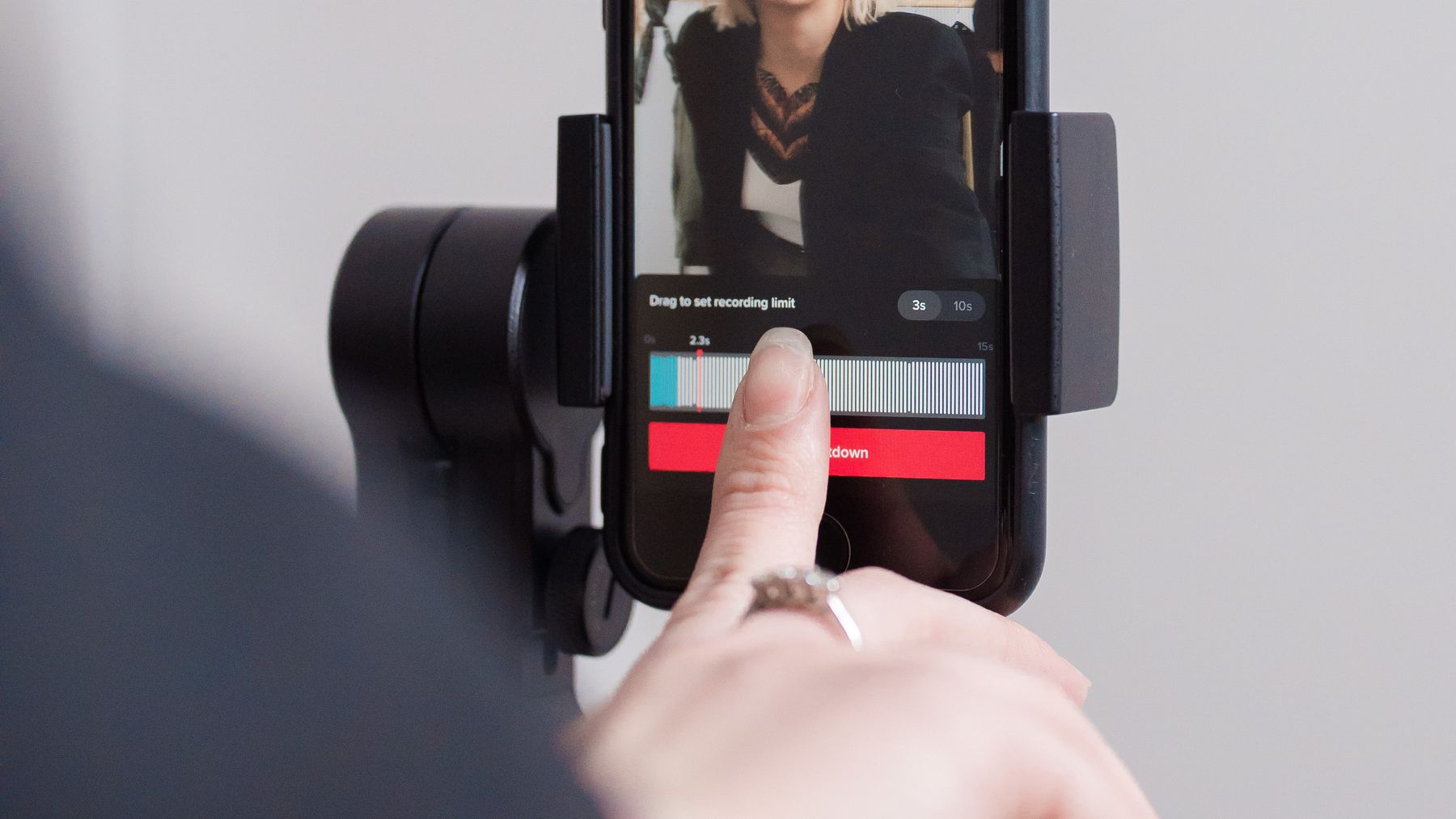
Platform access is another layer. Meta explains that branded content used in partnership ads requires the creator or partner to allow promotion. TikTok requires an authorized account or post for creator-led Spark Ads and lets creators set an authorization period. Those controls enable delivery inside the platform. They do not expand a separate agreement beyond its stated channels, term, territory, edits, or compensation.
Keep the agreement and the platform authorization together. A video code that works today is not proof of unlimited cross-channel rights. A signed license also does not eliminate the need to complete the platform’s authorization steps.
Use this UGC rights checklist before the brief is approved
The easiest time to resolve rights is before a creator records anything. Add these fields to the creative brief, statement of work, or rights tracker.
| Field | Decision to record | Common ambiguity |
|---|---|---|
| Covered content | Exact deliverables, filenames, posts, raw footage, stills, audio, and captions | “All content” without identifying the assets |
| Organic channels | Brand social accounts, website, email, retailer pages, or other named placements | “Social use” without listing destinations |
| Paid media | Whether ads are allowed and on which platforms or formats | Assuming organic permission includes paid amplification |
| Creator identity | Whether ads may run from or appear connected to the creator’s handle | Confusing a content license with partnership-ad access |
| Term | Start date, end date, and what happens to live ads at expiration | “Three months” without identifying when the clock starts |
| Territory | Countries or regions where the content may run | Using “global” when the campaign needs one market |
| Edits | Allowed crops, captions, cutdowns, hooks, voiceovers, translations, and combinations | Assuming the brand may change the creator’s meaning |
| Exclusivity | Competitor category, duration, territory, and brands covered | A broad restriction with no boundaries |
| Renewal | Notice date, owner, approval method, and updated compensation if applicable | Discovering expiration after a winning ad stops |
| Disclosure and claims | Required sponsorship disclosure and approved product statements | Leaving review until after the post is live |
If a field does not apply, mark it that way. A documented “no website use” is more useful than an empty cell that three teams interpret differently.
Separate the asset license from the creator’s identity
There are two operational questions when a creator appears in an ad: may the brand use and edit the content, and may the brand advertise through, or visibly associate the ad with, the creator’s account or identity?
Answering yes to the first does not automatically answer yes to the second. A brand might be licensed to run an exported video from its own ad account while lacking permission or platform access to run the creator’s original post. The reverse can also create trouble: a platform authorization may be active while the commercial agreement covers a shorter period or narrower use.
For TikTok, our Spark Ads brand checklist covers the campaign setup and post-level questions. For a broader handoff, use the paid-social client checklist to place rights, source files, approvals, and destinations in one operating record.
Editing permission should match the production plan
“Editing allowed” is too vague for a team producing multiple placements. Decide whether the brand may shorten the video, create new opening hooks, add captions or pricing, crop it into new aspect ratios, combine it with brand assets, translate it, use still frames, or change an apparent claim or opinion.
The last item needs particular care. The Federal Trade Commission says endorsements must reflect the endorser’s honest experience or opinion, and advertisers need support for objective claims. Editing a creator’s sentence into a stronger claim can change more than pacing.
If the campaign needs six cutdowns, three aspect ratios, and two translated versions, put that plan in the rights conversation. The license should support the actual work rather than a hypothetical “one video” that no one intends to run unchanged.
Disclosures travel with the endorsement
The FTC treats free products and other things of value as material connections that may need disclosure. Its guidance says the disclosure should be hard to miss and placed with the endorsement. For video, the FTC recommends putting the disclosure in the video, not only in a description that viewers may never open.
Platform disclosure tools help, but the FTC cautions against assuming the platform tool is sufficient by itself. The brand and creator should agree who adds the disclosure, how it appears in edited versions, and who checks the final ad. A disclosure at the beginning of a 30-second video can disappear when someone cuts a six-second opening, so add disclosure review to the export checklist.
Use a traffic-light check before launch
- Green: the exact asset, paid channel, creator-identity use, edits, territory, term, and disclosure are documented; platform authorization covers the planned flight.
- Yellow: paid use appears covered, but one detail is unclear, such as the start date, cutdown rights, translation, or renewal owner. Resolve it before trafficking.
- Red: the team is relying on a sample shipment, invoice, folder access, organic post, affiliate relationship, or expired code as proof of paid usage rights. Do not launch until permission is confirmed.
A red status is not an accusation. It means the ad team lacks the record needed to make a responsible decision.
Track expiration before the ad becomes important
Record the agreement end date and the platform authorization end date separately. Set the internal review early enough to evaluate performance, contact the right person, agree on a renewal, and replace the asset if necessary.
TikTok currently offers creator post-code authorization periods of 7, 30, 60, or 365 days in its documented flow. Other TikTok products can use different windows, and platform processes change. Check the current documentation and the asset’s actual authorization rather than copying an old duration from a campaign spreadsheet.
For each live creator asset, track the asset or post URL, creator and account, agreement location, approved channels and edits, license dates, platform authorization expiration, campaigns using the asset, renewal owner, and replacement action.
Do not buy broader rights than the campaign needs
More rights can create more flexibility, but “perpetual, worldwide, all-media, exclusive” should not be the automatic request for a short paid-social test. Broad rights can add cost and restrict a creator beyond what the campaign requires.
Start with the real media plan. If the brand expects a six-week Meta test in the United States with vertical cutdowns, document that need. If performance later justifies TikTok, email, retailer, or international use, treat the expansion as a renewal or additional license.
Usage fees, production fees, creator compensation, samples, commissions, and paid media are different cost lines. Keep them visible when evaluating the campaign. Our marketing efficiency ratio worksheet shows where creator and usage costs can sit in a fuller marketing-cost view.
What should a brand send its paid-media team?
Send the final asset, approved usage summary, agreement location, platform authorization, campaign destination, approved claims, required disclosure, and the person who owns renewal questions. Do not send a folder called “approved UGC” with no dates or scope.
Best Practice Media’s creative team and paid-social team work from the intended placements, source material, permission limits, and measurement plan. Clear rights do not guarantee performance. They make the asset usable, testable, and easier to manage without avoidable launch-day surprises.